Drip coffee vs French press:
which is better?
Both methods use the same beans and hot water. The difference is the filter. A paper filter in a drip machine catches oils and fine grounds; the metal mesh in a French press lets them through. That changes the taste, the texture and, it turns out, how coffee affects cholesterol.
01The short answer
Choose a French press if you like a rich, heavy cup, brew one to four mugs at a time and do not mind a little sediment. Choose a drip coffee maker if you want a clean, lighter cup, need a full pot with no effort, or want a timer so coffee is ready when you wake up. If you drink several cups a day and watch your cholesterol, filtered drip coffee is the safer habit.
Rich and heavy: French press. Clean, easy and a full pot: drip.
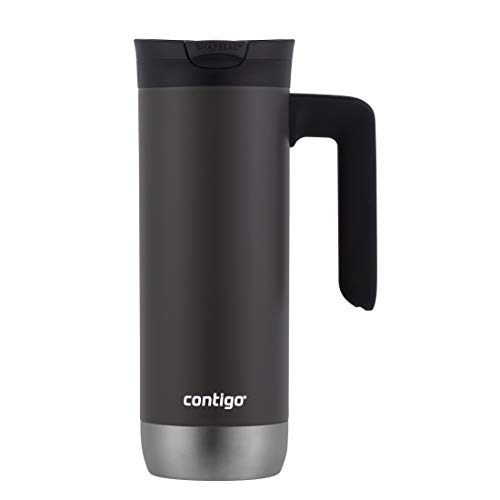
Our picks right now
Live Amazon prices with a real discount today.



02Side by side
| Drip coffee maker | French press | |
|---|---|---|
| How it brews | Hot water drips through grounds | Grounds steep in water, then a plunger filters |
| Filter | Paper (or mesh basket) | Metal mesh |
| Taste and body | Clean, lighter, clear | Rich, full, slightly gritty |
| Grind | Medium | Coarse |
| Effort | Add water and coffee, press start | Boil water, time 4 minutes, plunge, pour |
| Batch size | Up to a full pot | Usually 1 to 4 mugs |
| Keeps warm | Hot plate or thermal carafe | Cools fast unless insulated |
| Cost | Machine plus paper filters | Cheap, no filters, no power |
03Taste: why they are so different
Coffee beans contain oils. In a French press, those oils and very fine coffee particles pass through the metal mesh into your cup. That gives the thick, round mouthfeel French press fans love, and the bit of sludge at the bottom that others hate.
A paper filter traps most of those oils and fines. The result is a cleaner, brighter cup where you can taste lighter notes in the bean more easily, but with less body. Pour-over uses the same paper-filter idea by hand.
04Is French press coffee bad for cholesterol?
This is the one real health difference. Coffee oils contain compounds called cafestol and kahweol, which raise LDL cholesterol. Paper filters remove most of them; a French press, like boiled and Turkish coffee, leaves them in.
A large Norwegian study of more than 500,000 adults, published in the European Journal of Preventive Cardiology in 2020, found filtered coffee drinkers had lower death rates than people who drank unfiltered coffee. It was an observational study, so it does not prove cause, but it matches what is known about these compounds.
In practice: one French press coffee a day is unlikely to matter for most people. If you drink several cups a day or have high cholesterol, filtered coffee is the better default. Ask your doctor if you are unsure.
05Which has more caffeine?
Neither method has a fixed amount. Caffeine in your cup depends mostly on how much coffee you use per cup, the beans and how long the water touches the grounds. A French press steeps for about four minutes, which pulls out a lot of caffeine, but a strong drip pot made with more coffee can match or beat it. Use the same dose of coffee and the two end up in a similar range.
06How to make each one taste better
Fresh beans, ground right before brewing
The biggest single upgrade for both methods.
Right grind size
Coarse like breadcrumbs for French press, medium like sand for drip. Too fine in a press makes it muddy and bitter.
Right ratio
Start at about 1 gram of coffee to 15 to 17 grams of water, then adjust to taste.
Water just off the boil
The Specialty Coffee Association recommends brewing between about 195 and 205°F. For a French press, let boiled water sit for 30 seconds.
French press: pour it all out
Coffee left on the grounds keeps extracting and turns bitter. Pour into mugs or a thermos right after plunging.
07Picking a drip machine or French press
- Drip machines that brew hot enoughLook for machines certified by the Specialty Coffee Association. Many cheap machines never reach full brewing temperature.
- Mornings in a hurryA programmable drip machine with a timer and a thermal carafe, which keeps coffee hot without cooking it on a hot plate.
- French press materialGlass is cheap and shows the brew; double-wall stainless steel keeps coffee hot and does not break.
- Less sludgePresses with a double or fine mesh filter, or pour slowly and leave the last bit in the pot.
08Our take
We would keep both. A drip machine for weekdays and guests, a French press for slow weekend mornings. If you can only have one, decide on taste first: a clean cup or a heavy one. Then let cholesterol and convenience settle any tie.
09Common questions
Is French press better than drip coffee?
It is different, not better. French press gives a richer, fuller cup; drip gives a cleaner, lighter one with less effort and bigger batches.
Does French press coffee have more caffeine than drip?
Not necessarily. Caffeine depends mostly on how much coffee you use and the beans. With the same dose, the two are similar.
Is French press coffee bad for you?
It contains cafestol and kahweol, which raise LDL cholesterol. Paper-filtered drip coffee removes most of them, so filtered is the better choice if you drink a lot or have high cholesterol.
What grind size for French press vs drip?
Coarse, like breadcrumbs, for French press. Medium, like sand, for a drip coffee maker.
How long should French press coffee steep?
About four minutes is the usual starting point. Steep longer for a stronger cup, shorter if it tastes bitter.
Shop the picks
Live Amazon prices, updated every few hours.
Keep reading
Updated 2026-11 · See today's deals or get them on Telegram.